Buildings and communal areas
The insured property should include the structure and shared areas for which the policyholder is responsible.
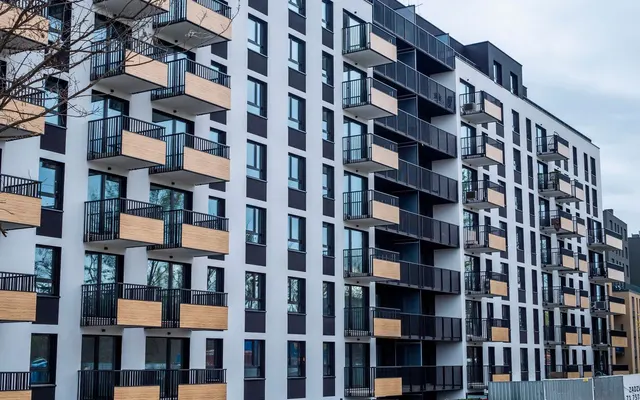
Buildings insurance advice for blocks of flats, freeholders, managing agents and residential property companies.
A block policy needs to reflect the whole building, shared areas, ownership structure and responsibilities under leases. We consider rebuild values, construction, occupancy and any unusual features before seeking terms.
Clear ownership, lease and occupancy information helps make sure the right interests and shared areas are presented.
Availability and scope depend on insurer acceptance and the terms offered for your business.
The insured property should include the structure and shared areas for which the policyholder is responsible.
Liability exposures may arise from shared entrances, stairs, lifts, grounds and maintenance responsibilities.
The policy basis should reflect the leases and the financial impact of an insured event affecting flats or shared facilities.

Compare the risks insured, not just the premium. These are options to discuss, not a fixed policy package.
Communal buildings, shared fixtures and selected common contents, with property owners' liability and accepted rent/alternative-accommodation sections.
Identify the freeholder, management company and other insured interests and distinguish the building from residents' personal contents.
Property owners' liability: £2 million, £5 million or £10 million are indicative limits to discuss, subject to underwriting. Compare the legal entity, insured properties, defence costs and scope of landlord responsibilities.
Declared reinstatement value and any alternative-accommodation or rent limit should reflect all dwellings and the agreed recovery period. Shared event caps and liability aggregates must be checked.
Terrorism, engineering breakdown/inspection for communal plant and lifts, legal expenses and directors'/officers' cover for a management company are separate considerations.
Cladding, fire safety defects, building height, remedial works and mixed commercial use require full disclosure and may restrict terms.
Do not assume the policy pays to rectify pre-existing construction defects or remove unsafe materials.
All options are subject to insurer appetite, underwriting, accepted activities, policy terms, conditions, limits, excesses and exclusions. These examples are not a quotation, selectable policy package or confirmation of an insurer facility. An enquiry does not put cover in place.
The leases and ownership structure usually determine responsibility. The policyholder and interested parties need to be identified.
A current professional reinstatement valuation can help avoid relying on market value or an outdated estimate.
Yes, subject to insurer appetite. Commercial units, occupancy, fire protection and the proportion of each use must be declared.
Share your contact details and Oak will call to discuss your business and the cover you need. We can collect the detailed insurance information over the phone.
Submitting an enquiry does not put cover in place. Insurance is subject to insurer acceptance and policy terms. Please do not include sensitive personal information.