Contents, stock and equipment
Office equipment, fixtures, stock and specialist equipment should be valued on a basis that supports recovery after a loss.

Office and shop insurance brokers for UK owners and tenants. Review buildings, tenant improvements, contents, stock, liability and interruption cover with Oak.
Oak helps office and shop owners and tenants compare business insurance around their premises, activities and lease responsibilities. We separate buildings from tenants' improvements, contents, equipment and stock, then review liability and the income at risk if an insured event interrupts trading. Availability and scope depend on insurer acceptance and the policy terms.
A useful review separates what the landlord insures from the contents, improvements and trading risks that belong to your business.
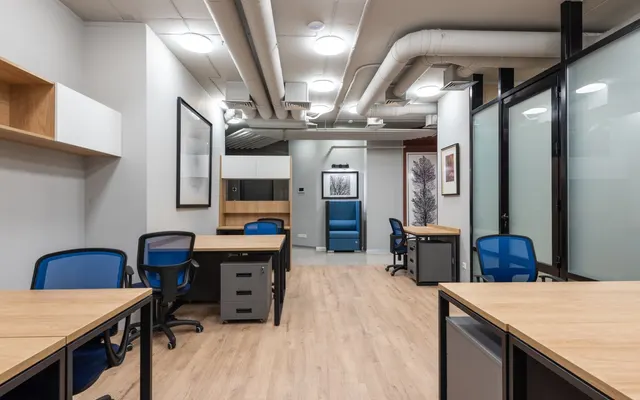
Availability and scope depend on insurer acceptance and the terms offered for your business.
Office equipment, fixtures, stock and specialist equipment should be valued on a basis that supports recovery after a loss.
Consideration depends on customer footfall, employee duties, contractors and the activities carried out at the premises.
Cover may help with insured loss of income or additional costs, subject to the trigger, indemnity period and wording.

Compare the risks insured, not just the premium. These are options to discuss, not a fixed policy package.
Office/shop contents, stock, tenants' improvements, selected premises damage and interruption, with liability matching the business activities.
Distinguish ordinary retail or office work from treatment, advice, food preparation or installation undertaken at customer sites.
Public liability: indicative limits to discuss are £2 million, £5 million or £10 million. The required limit depends on contracts and credible loss scenarios; higher limits or excess layers need separate agreement.
Employers' liability: in Great Britain, most employers must hold at least £5 million, subject to statutory exceptions. £10 million is commonly quoted, but the insured workforce, territory and actual limit must be confirmed; Northern Ireland has separate legislation.
Stock and contents sums should reflect replacement basis and seasonal peaks. PI, treatment and cyber limits require separate review if those exposures exist.
Shopfront/glass, money, goods in transit, portable equipment, legal expenses and breakdown can be discussed.
Online sales, stock at fulfilment centres, home-working equipment and refrigerated stock need correct locations and triggers.
Security warranties, unattended stock, flooding, theft excesses and unoccupancy can restrict recovery.
Equipment malfunction, cyber disruption and loss of trade without insured damage are not automatically business interruption claims.
All options are subject to insurer appetite, underwriting, accepted activities, policy terms, conditions, limits, excesses and exclusions. These examples are not a quotation, selectable policy package or confirmation of an insurer facility. An enquiry does not put cover in place.
Check the lease to establish responsibility for buildings, tenants' improvements and repairs. A landlord's buildings policy may not cover your contents, stock, equipment, liabilities or trading interruption. Oak can review those interests separately. Availability and scope depend on insurer acceptance and the issued policy's terms, conditions, limits and exclusions.
Describe your equipment and contents using the proposed policy's valuation basis, and disclose peak stock levels, seasonal increases, portable equipment and items held elsewhere. Do not assume an automatic seasonal increase or cover away from the premises. Acceptance, valuation and settlement depend on the insurer and policy terms, conditions, limits and exclusions.
Not by itself. Business interruption requires the relevant insured trigger and an appropriate financial basis and recovery period. Check whether equipment breakdown, loss of access or other extensions are included rather than assuming they are. Availability and scope depend on insurer acceptance and the issued policy's terms, conditions, limits and exclusions.
List every location and explain its use, opening arrangements, security and stock profile for insurer review. Any combined arrangement depends on insurer acceptance and policy terms.
Share your contact details and Oak will call to discuss your business and the cover you need. We can collect the detailed insurance information over the phone.
Submitting an enquiry does not put cover in place. Insurance is subject to insurer acceptance and policy terms. Please do not include sensitive personal information.