Buildings and contents
Declared values should reflect the property, furnishings and any contents made available to guests.

Insurance considerations for UK holiday homes, second homes and short-term lets, including occupancy and guest use.
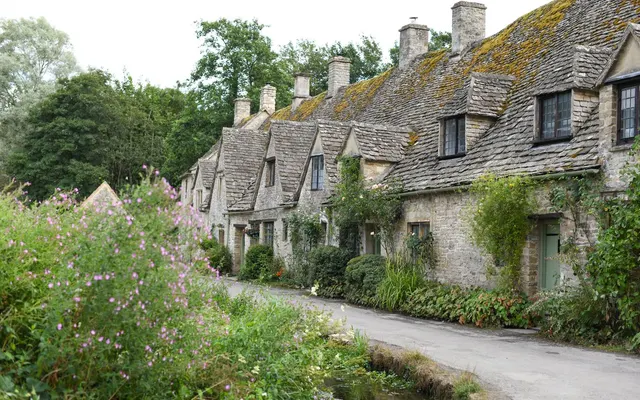
A holiday property may be left empty between visits, let to paying guests or used by family and friends. The correct policy depends on the occupancy pattern, location, construction, letting arrangements and any services provided.
Guest use and empty periods both matter; the policy should match the way the property is actually occupied.
Availability and scope depend on insurer acceptance and the terms offered for your business.
Declared values should reflect the property, furnishings and any contents made available to guests.
Guest stays and shared facilities create liability considerations that should match the policyholder's responsibilities.
Letting income, seasonal occupancy, keys, alarms and winterisation may affect the insurer's terms and requirements.

Compare the risks insured, not just the premium. These are options to discuss, not a fixed policy package.
Declared holiday-home buildings and contents for the actual mix of owner use, short lets and seasonal vacancy.
Property owner liability and guest-related responsibilities should match who operates the letting and which activities are offered.
Property owner/public liability limits such as £2 million or £5 million can be discussed according to guest use and contract requirements; £10 million needs specific review.
Buildings, contents, rent loss or alternative accommodation require separate sums and benefit periods under the wording.
Accidental damage, guest malicious damage, hot tubs/pools, legal expenses and loss of booking income following specified damage can be requested.
Commercial letting, long empty periods, frozen pipes, coastal/flood risk and guest activities may carry restrictions.
Cancellation, platform guarantees and general loss of bookings are not equivalent to insured damage-based rental income cover.
All options are subject to insurer appetite, underwriting, accepted activities, policy terms, conditions, limits, excesses and exclusions. These examples are not a quotation, selectable policy package or confirmation of an insurer facility. An enquiry does not put cover in place.
Not necessarily. Short-term letting and holiday use must be declared and specifically accepted by the insurer.
Tell us the expected vacancy pattern. The policy may set security, heating, water or inspection conditions.
Yes. Heritage construction and holiday use both need to be disclosed so the insurer can assess the combined risk.
Share your contact details and Oak will call to discuss your business and the cover you need. We can collect the detailed insurance information over the phone.
Submitting an enquiry does not put cover in place. Insurance is subject to insurer acceptance and policy terms. Please do not include sensitive personal information.