Comprehensive or third-party cover
Cover levels can be arranged across eligible vehicles and drivers, subject to insurer appetite and policy terms.
Fleet insurance advice for cars, vans and mixed commercial vehicle fleets across the UK.
Oak helps UK businesses review motor fleet insurance for cars, vans and mixed commercial vehicles, whether arranging a fleet policy for the first time, adding vehicles or reviewing existing cover. Driver controls, use, geography, claims trends, vehicle mix and risk management all influence the presentation to insurers. Vehicle count alone does not establish eligibility or the terms available.
We look for the story behind the claims data and the controls that can improve the risk.
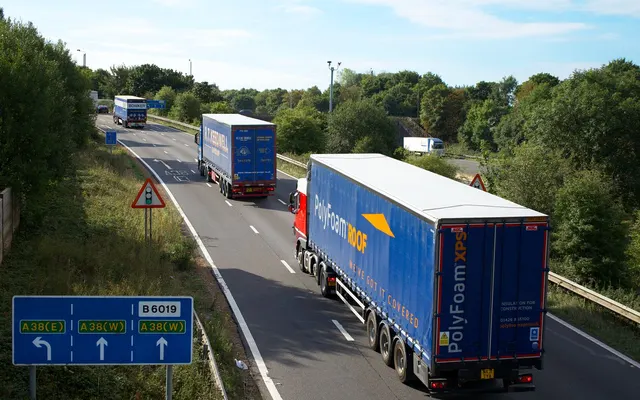
Availability and scope depend on insurer acceptance and the terms offered for your business.
Cover levels can be arranged across eligible vehicles and drivers, subject to insurer appetite and policy terms.
The description of vehicle use needs to match actual operations, journeys and any carriage of goods.
Benefits vary between insurers and should be compared alongside excesses, driver restrictions and claims service.
Driver checks, telematics, incident procedures and claims analysis can support a stronger fleet presentation.

Compare the risks insured, not just the premium. These are options to discuss, not a fixed policy package.
Vehicles accepted on the schedule for the declared business use, with comprehensive, third-party fire/theft or third-party bases compared where offered.
Cars, vans, specialist vehicles and trailers should be identified separately, including ownership, values, parking and driver arrangements.
Motor liability limits and statutory requirements must be checked in the quotation and policy; generic business PL £2 million/£5 million/£10 million choices are not a substitute for motor cover.
Own damage follows the agreed settlement basis and vehicle values. Windscreen, personal effects, replacement vehicles and trailer limits can differ.
Breakdown assistance, legal expenses, replacement vehicles, driving abroad and specified trailer arrangements can be requested.
Goods in transit, employer/public liability and depot property are separate exposures, not automatic fleet benefits.
Permitted use, driver eligibility, vehicle security, hazardous goods, foreign travel and notification rules need review.
Wear, maintenance and mechanical breakdown are not ordinary motor accident claims; loss of use is not automatically insured.
All options are subject to insurer appetite, underwriting, accepted activities, policy terms, conditions, limits, excesses and exclusions. These examples are not a quotation, selectable policy package or confirmation of an insurer facility. An enquiry does not put cover in place.
Minimum vehicle requirements vary between insurers. Speak to us if you are approaching fleet size or want to consolidate policies.
Potentially, but age, experience, vehicle type, use and claims history affect appetite and terms.
Insurers usually require detailed fleet claims experience, commonly covering three to five years depending on the circumstances.
A mixed fleet may be considered, but vehicle types, ownership, use, drivers and any minimum vehicle requirement must be accepted by the insurer. Do not assume a policy covers every driver or every use across all vehicles. Availability and scope depend on insurer acceptance and the issued policy's terms, conditions, limits and exclusions.
No. Insuring a vehicle does not establish cover for tools, stock or customers' goods inside it. Explain whether vehicles carry your own goods or goods for others, and discuss any separate goods in transit or haulier's liability requirement. Availability and scope depend on insurer acceptance and the issued policy's terms, conditions, limits and exclusions.
Share your contact details and Oak will call to discuss your business and the cover you need. We can collect the detailed insurance information over the phone.
Submitting an enquiry does not put cover in place. Insurance is subject to insurer acceptance and policy terms. Please do not include sensitive personal information.