Buildings, plant and machinery
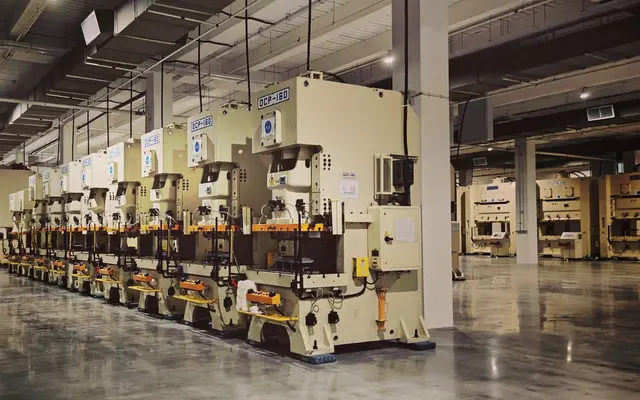
Declared values should reflect the premises, production equipment, tooling, fixtures and specialist machinery that would need to be repaired or replaced after an insured loss.
Insurance advice for UK manufacturers, engineering firms, fabricators, processors and product businesses, built around their sites, machinery, people, products and supply chains.
Manufacturers can combine complex machinery, raw materials, finished stock, hazardous processes, product design, subcontracted work and time-sensitive customer contracts. We map how your operation works from purchasing and production through testing, storage and delivery, then present those details clearly to insurers.
A strong manufacturing submission explains the whole operation, from incoming materials and production controls to testing, storage and delivery.
Availability and scope depend on insurer acceptance and the terms offered for your business.
Declared values should reflect the premises, production equipment, tooling, fixtures and specialist machinery that would need to be repaired or replaced after an insured loss.
Values can change through the production cycle. Consider materials, components, customer goods in your care, work in progress and finished products at every location.
Liability cover may respond to eligible allegations of injury or property damage involving products, subject to the activities, territories, limits, exclusions and policy wording.
Where required, employers' liability should reflect the workforce, duties, machinery, manual handling and processes used across the business.
A property or machinery loss can stop production beyond the repair period. Consider dependencies, replacement lead times, customer contracts and a realistic period to restore turnover.
Equipment breakdown, inspection, repair and consequential interruption exposures may need specialist consideration alongside property damage cover.
Design or specification duties, connected production systems, customer data, delivery vehicles and company fleets can create separate risks that should be reviewed together.
Compare the risks insured, not just the premium. These are options to discuss, not a fixed policy package.
Factory buildings, machinery, tooling, free-issue materials, work in progress and finished products, with separate values for every site.
Public/products and employers' liability, plus distinct review of design responsibility, recall, breakdown and production interruption.
Public liability: indicative limits to discuss are £2 million, £5 million or £10 million. The required limit depends on contracts and credible loss scenarios; higher limits or excess layers need separate agreement.
Products liability: £2 million, £5 million or £10 million are illustrative limits for discussion, not an offer. Check whether the limit is an annual aggregate and how exports, products and defence costs are treated.
Employers' liability: in Great Britain, most employers must hold at least £5 million, subject to statutory exceptions. £10 million is commonly quoted, but the insured workforce, territory and actual limit must be confirmed; Northern Ireland has separate legislation.
Design PI requires a separate limit and accepted activities; £1 million or £2 million can be discussion points, not assured options. Machinery and stock limits should follow replacement exposure, not turnover.
Ask about machinery breakdown with associated interruption, engineering inspection, goods in transit/marine cargo and specified supplier or customer dependencies.
Product recall, financial loss, tooling at subcontractors and North American exports require separate consideration and underwriting.
Products liability does not automatically pay for recall, rejected batches, rework or failure to meet specification.
Wear, maintenance, gradual deterioration, design exclusions and the distinction between damage and breakdown triggers need careful review.
All options are subject to insurer appetite, underwriting, accepted activities, policy terms, conditions, limits, excesses and exclusions. These examples are not a quotation, selectable policy package or confirmation of an insurer facility. An enquiry does not put cover in place.
Some insurers can combine property, interruption and liability sections, but products, processes, locations and turnover must be described accurately. The policy schedule and wording still determine what is covered.
Prepare values for raw materials, components, work in progress and finished stock, including seasonal peaks and goods held at other locations or by third parties.
No. Product liability and product recall are different exposures. Any recall cover, trigger, limit, territory and exclusion must be confirmed in the specific wording.
Describe design, specification, testing, installation and any changes made to customer products. Professional indemnity or specialist extensions may need consideration.
Starting several weeks before renewal gives time to gather valuations, claims information, machinery schedules, contracts and updated process details before insurers are approached.
Larger manufacturers rarely have a single exposure. A programme usually has to hold several sites, shared services, stock in several forms and contracts that impose their own conditions. Planning begins by choosing the unit of analysis: each site, each process line or each customer relationship. Whichever you use, the aim is that a claim at one location is understood in light of the whole business.
Multisite values need a consistent basis. Buildings, machinery, tooling, stock and work in progress should be valued on a stated basis, and the schedule should show where the same value could be hit by one event. Where one site feeds another, the loss at the supplier plant may stop output at the receiving plant, and that dependency should be described rather than left to be discovered at claim stage.
Identify the machines without which output halts, and be candid about how long a replacement takes: ordering, manufacture, shipping, installation and commissioning. Indemnity periods are often chosen to match rebuild estimates, yet commissioning and customer re-approval can take longer. A period that looks generous on paper may be short once lead times are tested.
Machinery breakdown and business interruption deserve separate thought. Physical damage business interruption typically requires insured damage, whereas a breakdown of a machine may need its own cover and trigger. Understand which event starts a claim.
Goods owned by customers, free-issue materials and tooling on your premises need identification, since they may not be within your stock figures. Where you export, territories, jurisdiction and North American exposure should be declared, because they can alter availability and terms.
Design responsibility is a distinct question from product liability. If your customer provides the drawing and you build to it, the exposure differs from the case where you design or modify. Product recall, which concerns the cost of withdrawal, is usually separate from liability for injury or damage. See our precision engineering page for machinery risks, and our manufacturing guides for more on breakdown, recall and design.
All cover is subject to insurer acceptance, underwriting information and the terms of the policy issued.
Share your contact details and Oak will call to discuss your business and the cover you need. We can collect the detailed insurance information over the phone.
Submitting an enquiry does not put cover in place. Insurance is subject to insurer acceptance and policy terms. Please do not include sensitive personal information.